
Meta Description: Compare pergolas and gazebos in terms of design, roof structure, cost, durability, installation, and best use cases. Learn which outdoor structure is right for your backyard, patio, resort, or commercial project.
Pergola vs Gazebo: What’s the Difference & Which One Is Right for Your Outdoor Space?
Although pergolas and gazebos are both outdoor shade structures, they serve very different purposes.
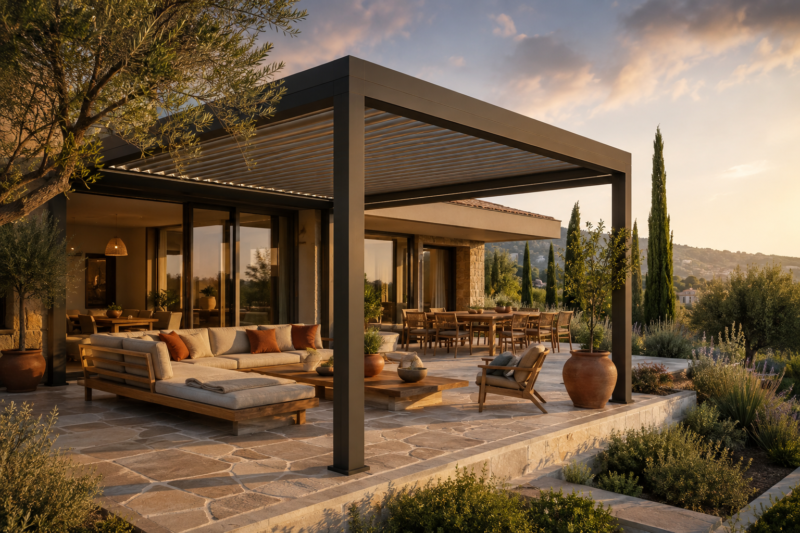
A pergola typically features an open or adjustable roof supported by columns, making it ideal for patios, decks, restaurants, and modern outdoor living. Its airy design creates a defined outdoor room while maintaining a connection to the sky and surrounding environment.
A gazebo, on the other hand, is a freestanding structure with a fully covered, solid roof that offers complete protection from sun and rain. With its classic, often octagonal shape, a gazebo creates a traditional garden focal point that feels like an outdoor retreat.
So which one is right for you? This guide will walk you through everything you need to know—from design differences and costs to maintenance requirements and best applications. By the end, you’ll know exactly which structure fits your space, lifestyle, and budget.
Table of Contents
- What Is a Pergola?
- What Is a Gazebo?
- Pergola vs Gazebo: Key Differences
- Pros and Cons of a Pergola
- Pros and Cons of a Gazebo
- Pergola vs Gazebo Cost Comparison
- Which One Should You Choose?
- Why Aluminum Pergolas Are Becoming More Popular
- Why Outdoor Brands Choose Hooeasy as Their Pergola Manufacturing Partner
- Frequently Asked Questions
- Conclusion
1. What Is a Pergola?
A pergola is an open-air outdoor structure supported by vertical posts or pillars, with a roof made of cross-beams, slats, or adjustable louvers. Unlike fully enclosed structures, a pergola provides partial shade while allowing air to flow freely, making it comfortable even in warm climates.
Key Features of a Pergola
- Open or adjustable roof – Traditional pergolas have slatted roofs that filter sunlight, while modern versions feature motorized louvers that can open or close.
- Retractable canopy options– Many pergolas can be fitted with fabric canopies or polycarbonate panels for added weather protection.
- Wall-mounted or freestanding– Pergolas can attach directly to a house or stand alone in a yard.
- Modern design – Clean lines, minimalist aesthetics, and materials like aluminum and steel give pergolas a contemporary look that complements modern architecture.
Where Pergolas Shine
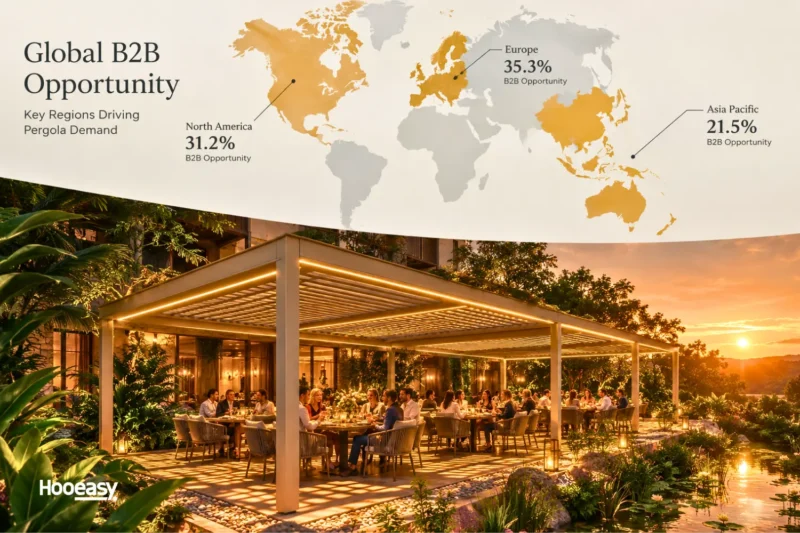
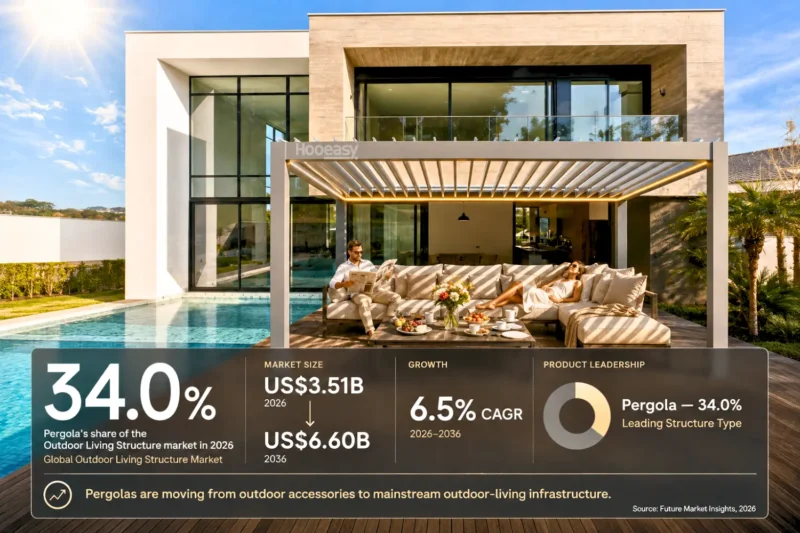
Pergolas are incredibly versatile. They’re commonly found over patios, decks, outdoor kitchens, and pool areas. In commercial settings, they transform restaurant patios, hotel lounges, and resort spaces into inviting, usable outdoor areas. Their open design makes them perfect for spaces where you want shade without feeling closed in.

2. What Is a Gazebo?
A gazebo is a freestanding outdoor structure with a fully enclosed, solid roof and open sides. Traditional gazebos often have hexagonal or octagonal shapes, though square and rectangular versions are also common. They typically sit on a raised floor or platform and feature decorative railings, lattice work, and ornate detailing.
Key Features of a Gazebo
- Fully covered roof– The solid roof provides complete protection from sun, rain, and even light snow.
- Traditional aesthetic– Gazebos evoke a classic, Victorian garden feel that works beautifully in landscaped settings.
- Raised flooring– Most gazebos are built on a deck or concrete slab, elevating them above the ground.
- Versatile materials – Gazebos are commonly made from wood, steel, or vinyl.
Where Gazebos Shine
Gazebos are ideal for gardens, parks, wedding venues, and quiet relaxation spaces. They serve as stunning focal points in a landscape and provide a sheltered spot for outdoor dining, reading, or entertaining year-round.

3. Pergola vs Gazebo: Side-by-Side Comparison
| Feature | Pergola | Gazebo |
| Roof | Adjustable / Open slats | Fully enclosed, solid roof |
| Rain Protection | Medium-High (with louvers/canopy) | Excellent |
| Sunlight Control | Excellent (adjustable) | Fixed |
| Appearance | Modern, minimalist | Traditional, ornate |
| Airflow | Excellent | Moderate |
| Cost | Lower to Medium | Medium to High |
| Installation | Easier, faster | More complex |
| Maintenance | Low (aluminum) | Medium-High (wood) |
| Best For | Patio, deck, commercial, pool | Garden, park, wedding, relaxation |

The roof is the biggest difference between these two structures. A pergola’s open or adjustable roof lets in light and air while providing filtered shade. A gazebo’s solid roof blocks everything—sun, rain, and wind—creating a true outdoor shelter.
4.Pros and Cons of a Pergola
Pros
✔ Modern appearance – Clean, minimalist design suits contemporary homes and commercial spaces
✔ Adjustable shade – Louvered roofs let you control sunlight instantly
✔ Better ventilation – Open sides and roof allow natural airflow
✔ Lower maintenance – Aluminum pergolas require almost no upkeep
✔ Highly customizable – Available in various sizes, colors, and configurations
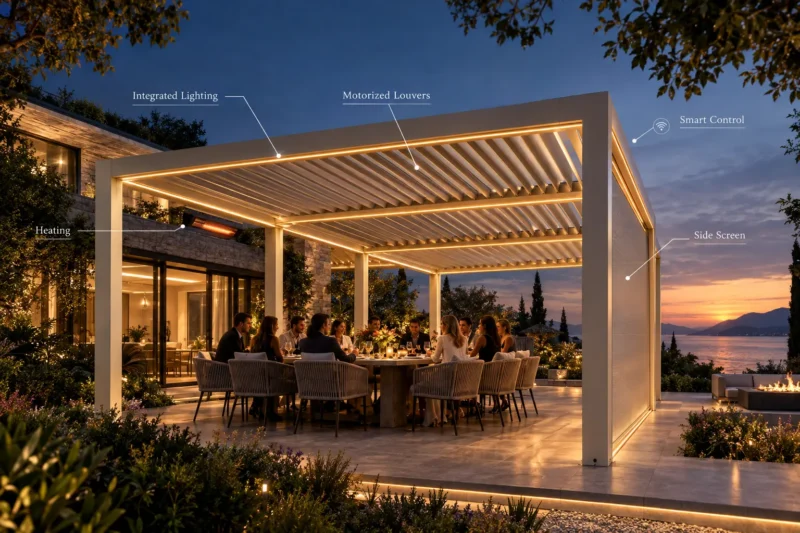
✔ Smart motorized options – Remote-controlled louvers, lighting, and heating add convenience
Cons
✘ Higher upfront cost for premium models – Motorized louvered pergolas can be a significant investment
✘ Requires planning – Proper placement and foundation are essential for longevity
5. Pros and Cons of a Gazebo
Pros
✔ Traditional beauty – Classic design adds timeless charm to any garden
✔ Full weather protection – Complete shelter from sun, rain, and snow
✔ Privacy – Enclosed feel creates a private outdoor retreat
✔ Great for gardens – Serves as a stunning landscape focal point
Cons
✘ Higher maintenance – Wood roofs need regular sealing, staining, and repairs
✘ Wood may rot – Susceptible to moisture damage and pests over time
✘ Less modern – Traditional style may not suit contemporary architecture
✘ Limited ventilation – Solid roof traps heat in warm weather
6. Pergola vs Gazebo Cost Comparison
Typical Cost Ranges
| Structure Type | Price Range (Installed) |
| Pergola – Basic (Wood) | $1,000 – $6,000 |
| Pergola – Premium (Aluminum/Vinyl) | $2,000 – $9,000 |
| Pergola – Motorized Louvered | $10,000 – $17,000+ |
| Gazebo – Wood | $1,500 – $8,000 |
| Gazebo – Steel / Hardtop | $2,500 – $11,000+ |
A professionally installed pergola typically runs $2,100 to $6,400, while a gazebo usually costs $4,500 to $13,000 installed. On a per-square-foot basis, pergolas cost $15–$60 for materials plus $5–$25 for labor. Gazebos range from $25–$120 per square foot for materials and $10–$40 for labor.
Note: Prices vary widely based on size, materials, customization, and location. Always get multiple quotes for your specific project.
7. Which One Should You Choose?
Choose a Pergola If You Want:
- A modern, open-air living space that connects with the outdoors
- An extension of your patio, deck, or pool area
- Adjustable shade with motorized louver options
- A structure that works for outdoor kitchens, dining areas, and lounges
- A commercial solution for restaurants, hotels, or resorts
- OEM customization for retail or wholesale projects
Choose a Gazebo If You Want:
- A classic, traditional garden focal point
- Complete weather protection from sun, rain, and snow
- A private retreat for relaxation or reading
- A structure for weddings, parks, or public spaces
- A sheltered outdoor dining space that feels like an indoor room

8. Why Aluminum Pergolas Are Becoming More Popular
Across the globe, a clear trend is emerging: homeowners, developers, and commercial operators are choosing aluminum pergolas over traditional wood structures. Here’s why:
Durability That Lasts Decades
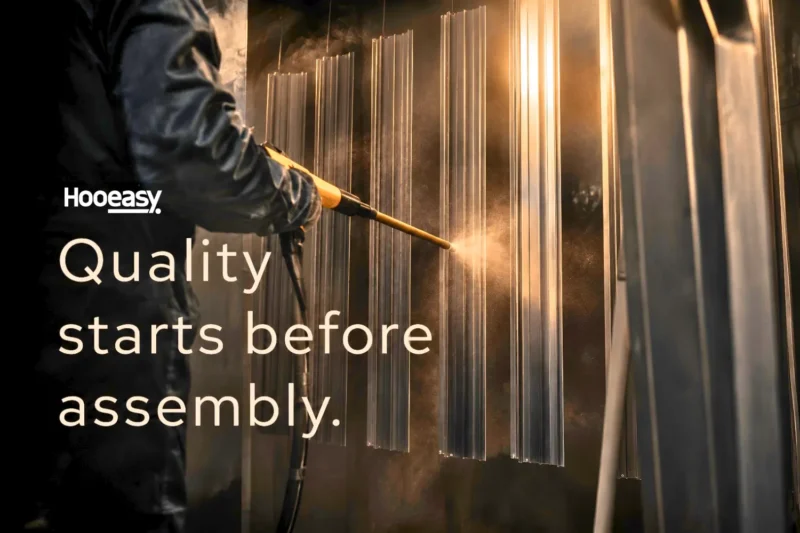
An aluminum pergola can easily last 20 to 30+ years with virtually zero maintenance. Unlike wood, aluminum won’t rot, warp, crack, or attract pests. Powder coating technology—applied at 60–80 microns thick—resists UV fading for up to 10 years, maintaining over 90% gloss retention.
Virtually Maintenance-Free
While wood pergolas require annual staining, sealing, and painting, aluminum pergolas need nothing more than an occasional rinse with a garden hose. Over a 10-year period, aluminum pergolas save homeowners $500–$1,200 in maintenance costs compared to wood.
Smart, Motorized Features
Modern aluminum pergolas come with motorized louvered roofs that open and close with the touch of a remote. Integrated features include:
- LED lighting for evening ambiance
- Hidden drainage systems that channel rainwater away
- Wind sensors that automatically close louvers in high winds
- Heaters and ceiling fans for year-round comfort
Commercial Appeal
Restaurants, hotels, and resorts love aluminum pergolas because they’re durable, low-maintenance, and visually appealing. Motorized louvered pergolas are especially popular for businesses because they allow hosts to instantly adapt to changing weather—keeping tables open whether it’s sunny or raining.
The Global Shift to OEM Manufacturing
As demand for high-quality aluminum pergolas grows, more brands are turning to China-based OEM manufacturers for reliable, cost-effective production. Leading manufacturers offer:
- Large-scale production capacity
- Customizable sizes, colors, and finishes
- Private label and branding options
- International certifications (CE, GS, ISO9001, BSCI)
This shift allows distributors, retailers, and contractors to offer premium pergola products at competitive prices without investing in their own manufacturing facilities.
9. Why Outdoor Brands Choose Hooeasy as Their Awning Manufacturing Partner
For companies sourcing awnings for retail, construction, or hospitality projects, choosing the right manufacturing partner is crucial. Hooeasy has become a trusted brand in the outdoor shading industry for the following reasons:
Extensive Production Capacity
Hooeasy operates a 152,000-square-meter manufacturing complex equipped with five dedicated production lines. This scale ensures a stable supply, efficient production, and reliable delivery times for large-volume orders.
OEM and ODM Support
- Hooeasy offers comprehensive OEM and ODM services, including:
- Private-label products with custom logos
- Custom sizes tailored to unique space requirements
- Over 50 standard powder-coated colors, plus unlimited customization options
- Custom packaging and accessories
Global Certifications
Hooeasy products have obtained international certifications, including CE, GS, ISO 9001, and BSCI. The company’s classic aluminum awning (3.6 × 4 meters) has been tested to withstand snow loads of up to 120 kilograms per square meter—far exceeding standard requirements.
Flexible MOQ
Whether you’re a small retailer or a large distributor, Hooeasy offers flexible minimum order quantities to accommodate businesses of all sizes.
Worldwide Export Experience
Hooeasy serves clients across North America, Europe, Australia, and the Middle East. Their experience navigating global logistics and diverse market requirements ensures smooth operations regardless of your location.
Ideal For:
- Importers and distributors looking for reliable pergola suppliers
- Retail brands seeking private-label outdoor structures
- Contractors and builders needing project-specific solutions
- Hospitality operators outfitting hotels, resorts, and restaurants
Looking for a reliable pergola manufacturer? Contact Hooeasy to discuss OEM, wholesale, or project requirements.
10. Frequently Asked Questions
Is a pergola cheaper than a gazebo?
Yes, in most cases. Pergolas have an open-roof design made of crossbeams, which requires significantly less material and labor than a gazebo. Gazebos feature a fully closed, solid roof and raised flooring, making them more complex and expensive to build.
Which lasts longer—pergola or gazebo?
It depends entirely on the material. A high-quality aluminum pergola will easily last 20 to 30+ years with virtually zero maintenance. While a traditional wooden gazebo can also last a long time, its complex roof structure requires regular shingle maintenance, and wood is prone to rotting or warping over time if not treated annually.
Can a pergola keep out rain?
Traditional pergolas cannot, but modern ones can. Classic pergolas are designed with open rafters to provide partial shade while letting air flow freely. However, you can make a pergola rainproof by opting for a louvered pergola (which has motorized slats you can close with a remote) or by adding a retractable canopy or polycarbonate roof panels.
Is aluminum better than wood?
For longevity and maintenance, yes. Aluminum pergolas are rust-resistant, warp-proof, and require nothing more than an occasional spray with a garden hose. Wood offers a classic, rustic aesthetic that many love, but it demands regular staining, painting, and sealing to prevent rot and pest damage.
Does a pergola add value to a home?
Absolutely. A pergola extends your usable living space outdoors, which is a massive selling point. Because they define an outdoor “room”—like an outdoor dining area or lounge—they boost your home’s curb appeal and typically yield a 50% to 80% Return on Investment (ROI).
Can pergolas be customized?
Yes, they are highly customizable. Beyond choosing your dimensions and materials, you can easily personalize a pergola to fit your lifestyle. Popular upgrades include:
- Integrated LED lighting or string lights
- Motorized privacy screens or outdoor curtains
- Built-in heaters and ceiling fans
- Growing climbing plants (like jasmine or wisteria) across the rafters for natural
shade
What’s better for restaurants—pergola or gazebo?
Pergolas are generally the superior choice for commercial dining. Restaurants love pergolas because their modern, open design feels airy and inviting, and they can be easily built over large patio spaces without looking clunky. Motorized louvered pergolas are especially popular for businesses because they allow hosts to instantly adapt to changing weather, keeping tables open whether it’s perfectly sunny or raining.
Which is easier to install—pergola or gazebo?
Pergolas are much easier and faster to install. Because they lack a complex, heavy roof structure and raised flooring, a standard pergola kit can often be put together by two handy DIYers in a single weekend. A gazebo, on the other hand, usually requires professional carpentry, a poured foundation, and advanced roofing skills.
11. Conclusion
Choosing between a pergola and a gazebo comes down to your specific needs, space, and lifestyle.
Choose a pergola if you want a modern, flexible, commercial-friendly structure with low maintenance and adjustable shade. Pergolas are perfect for patios, decks, restaurants, hotels, and anyone who loves open-air living with smart, customizable features.
Choose a gazebo if you prefer a traditional, garden-centric structure with complete weather protection and a classic aesthetic. Gazebos are ideal for parks, wedding venues, and peaceful backyard retreats where shelter is the priority.
Both structures can transform your outdoor space and add value to your property. The key is understanding how you’ll use the space and what matters most to you—whether that’s modern design, full weather protection, budget, or maintenance requirements.
Whether you’re sourcing pergolas for retail, construction projects, hospitality developments, or your own outdoor living space, understanding the differences between pergolas and gazebos is the first step toward making the right investment.
If you’re looking for durable aluminum pergolas with OEM/ODM customization and reliable manufacturing support, Hooeasy can help bring your projects to life.