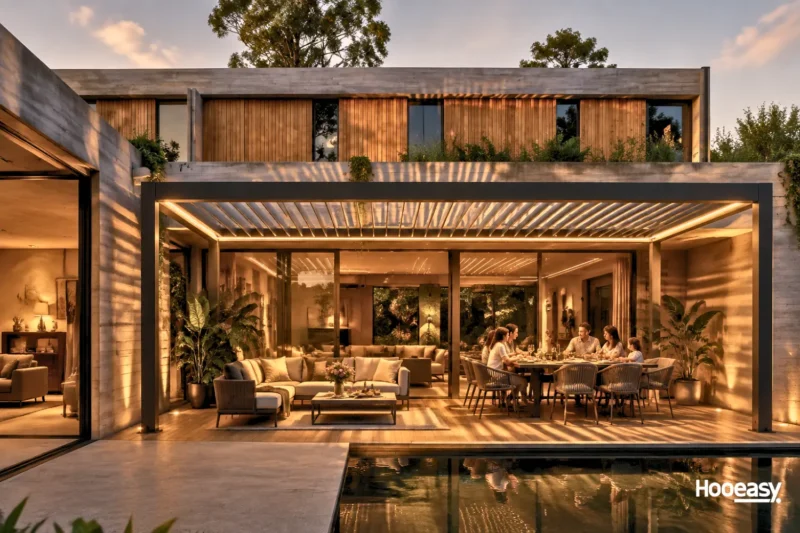

Why Outdoor Living Is Essential for Well-Being (And How Pergolas Help Create Healthier Spaces)
In recent years, a quiet but profound shift has taken place in how we think about our homes. The question is no longer just about square footage or property value. Instead, more people are asking: Does my home help me feel better?
A growing body of research suggests that increasing our time in contact with nature can improve stress, anxiety, mood, productivity, and even sleep quality. What was once seen as a lifestyle luxury—outdoor living—has become an essential component of well-being. For hotels, restaurants, residential developers, and commercial buildings alike, the outdoor wellness space is emerging as a defining design priority.
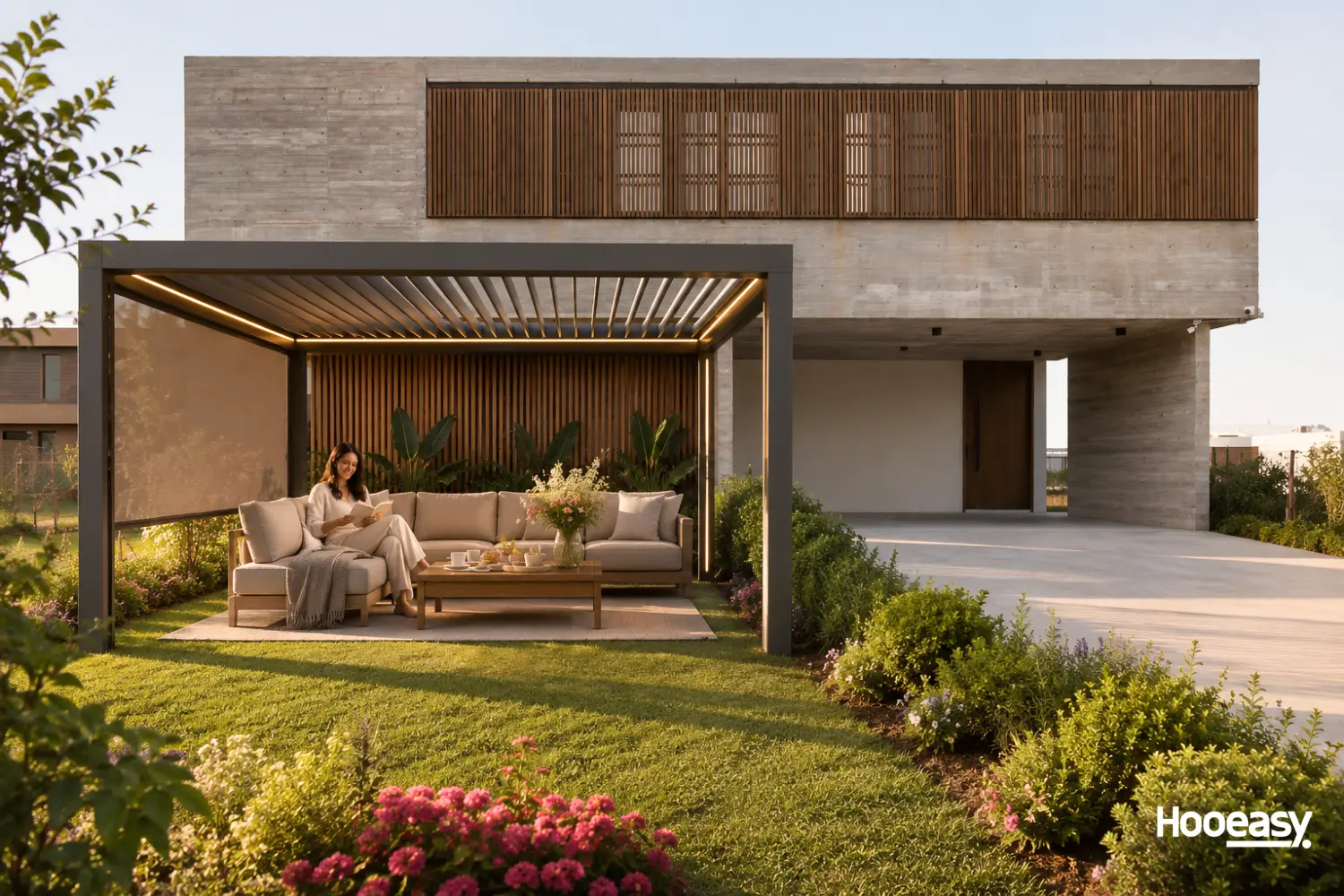
What Is Outdoor Well-Being?
Before we explore how outdoor spaces support health, it helps to clarify what we mean by well-being. The World Health Organization defines well-being as “a positive state experienced by individuals and societies” that encompasses quality of life and the ability of people to contribute to the world with a sense of meaning and purpose. It is not simply a fleeting emotion like happiness, but a dynamic state that includes:
| Dimension | Description |
| Physical Health | Bodily functioning, energy, absence of illness |
| Mental Health | Cognitive function, emotional regulation, stress resilience |
| Emotional Health | Mood stability, sense of purpose, life satisfaction |
| Social Connection | Relationships, community belonging, reduced isolation |
Outdoor living has the unique ability to influence all four of these dimensions simultaneously.
Time spent in natural environments doesn’t just make us feel good in the moment—it actively builds the foundations of long-term well-being. According to WHO, well-being is a resource for daily life determined by social, economic, and environmental conditions. This makes our physical surroundings—including the outdoor spaces we design—a critical factor in population health.
Why Spending More Time Outdoors Improves Mental Health
The connection between nature and mental health is one of the most extensively documented areas in modern health research. Multiple studies from leading institutions have reached the same conclusion: regular exposure to natural environments is one of the most effective, accessible ways to support psychological well-being.
The Mechanisms
Time spent in nature works through several pathways to improve mental health:
Reduces cortisol (the stress hormone)
- Lowers anxiety and depressive symptoms
- Improves attention and cognitive function
- Increases happiness and life satisfaction
Key Research Findings
1. Harvard Health Publishing (Harvard Medical School)
Harvard Health’s research suggests that a simple walk in the woods can help reduce stress, anxiety, and depression, and may even improve memory.
Neuroimaging studies using fMRI have shown that walking in green spaces significantly reduces activation in the amygdala—the brain region responsible for processing fear and stress.
Outdoor exposure lowers cortisol while promoting dopamine and serotonin (the “feel-good” neurotransmitters), directly relieving anxiety, depression, and what researchers call “sour mood.” Importantly, the benefits don’t require long wilderness expeditions—even a short walk in a neighborhood park can improve memory and reduce mental fatigue.
2. American Psychological Association (APA)
The APA’s comprehensive review on nature and mental health highlights two key mechanisms.
First, Attention Restoration Theory (ART) explains that modern life’s “directed attention”—the kind required for screen work and sustained focus—easily leads to mental fatigue.
Natural landscapes (trees, water, greenery) provide “involuntary attention” that allows the brain to replenish its cognitive resources.
Second, the review cites a landmark study of 900,000 people, finding that those who had more contact with green spaces in childhood had a 55% lower risk of developing mental illness in adulthood.
Whether green spaces (forests, parks) or blue spaces (water environments), exposure to nature significantly enhances emotional stability, empathy, and subjective well-being.
3. World Health Organization (WHO)
In its report Green and Blue Spaces and Mental Health, the WHO identifies natural environments as a major social determinant of mental health at the public health level. The report outlines three core pathways:
- Physiological buffering: Reducing chronic stress from urban noise and pollution, lowering blood pressure and heart rate
- Promoting social interaction and physical activity: Outdoor spaces encourage movement and community engagement, reducing loneliness and social isolation
- Restorative Environment: Providing a psychological refuge for people living under high urban pressure, offering a place to recover mental energy
4. Nature (Scientific Reports)
Perhaps the most influential finding comes from a study of nearly 20,000 participants published in Scientific Reports. Researchers established a quantifiable “nature dose” threshold: spending at least 120 minutes per week in natural environments is the critical turning point for significantly improved health and well-being.
The study found that the likelihood of reporting good health or high well-being became significantly greater with contact of 120 minutes or more per week (120–179 minutes: ORs for health = 1.59; well-being = 1.23), with positive associations peaking between 200–300 minutes.
Importantly, it did not matter how those 120 minutes were achieved—whether in one long session or several shorter visits—and the pattern was consistent across key groups including older adults and those with long-term health issues.
Outdoor Living Is Becoming a Global Lifestyle Trend
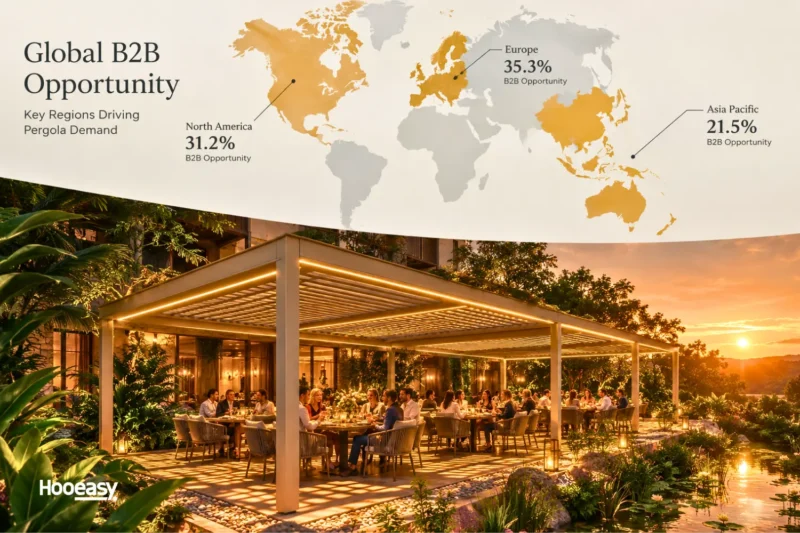
The scientific case for outdoor living is compelling, but the market tells an equally powerful story. Since the pandemic, consumers worldwide have been investing heavily in outdoor kitchens, pergolas, fire pits, outdoor dining areas, and wellness gardens. This is not a passing fad—it is a permanent shift in how people view their homes.
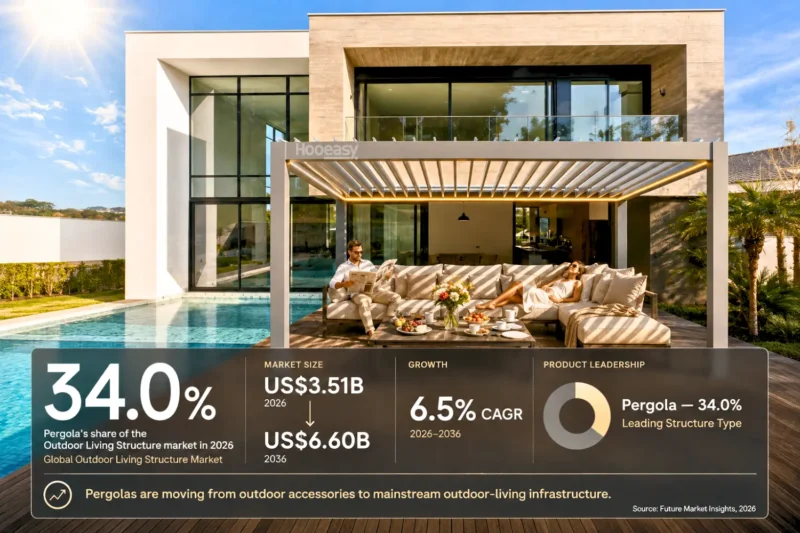
The Houzz 2026 U.S. Outdoor Trends Study surveyed more than 1,100 U.S. homeowners and found that people are transforming outdoor spaces into functional extensions of the home, prioritizing comfort and everyday living over resale value. Just 15% of homeowners renovating outdoor spaces cited improving resale value as a motivation—down from previous years. Instead, the focus is on lifestyle: 83% prioritize lounge areas, 55% create dining zones, and 48% build outdoor kitchens. Perhaps most relevant to this discussion: 35% of homeowners undertaking structural outdoor projects are adding shade structures like pergolas—a remarkable 15-percentage-point increase. This surge reflects a broader recognition that Pergolas & Outdoor Living Structures are no longer decorative additions but essential infrastructure for year-round outdoor use.
Statista projects continued robust growth in the global outdoor furniture market, with worldwide revenue expected to increase significantly through 2029, driven by evolving consumer preferences for durable, sustainable outdoor furniture as people increasingly prioritize outdoor spaces for leisure and relaxation.
IBISWorld reports that the U.S. outdoor furniture manufacturing industry has experienced significant growth, reshaped by a surge in outdoor living demand during the pandemic. The market size of the Outdoor Furniture Manufacturing industry in the US reached $2.0 billion in 2026, having grown at a 1.7% CAGR between 2021 and 2026.
The Outdoor Living Trend is now a permanent feature of the global economy, and it shows no signs of slowing.
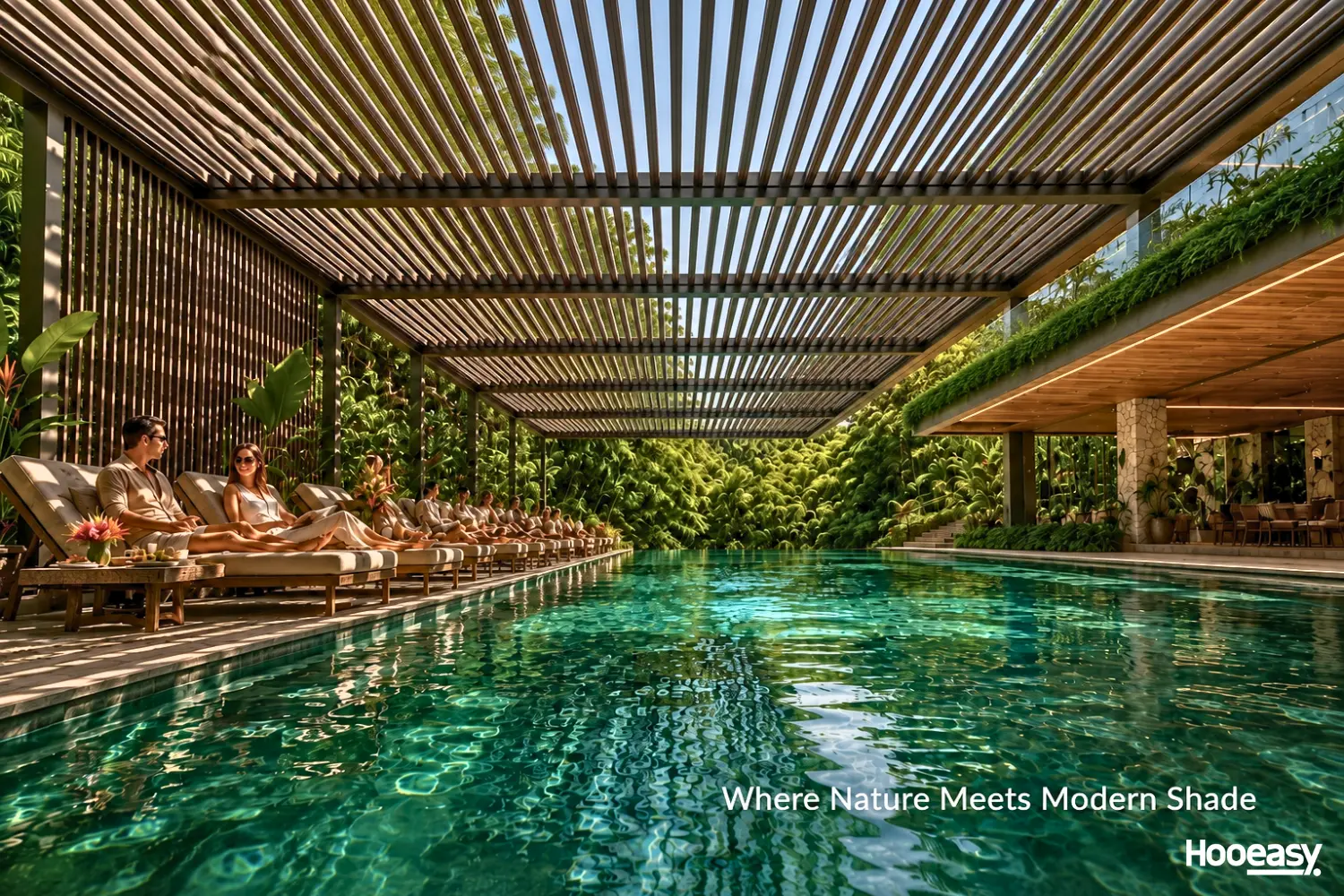
Connection Between Pergolas and Well-Being
So where do pergolas fit into this picture? A pergola is far more than a decorative garden structure. When designed thoughtfully, it becomes a catalyst for healthy outdoor space—a place where people genuinely want to spend time.
Comfortable Shade
Excessive UV exposure is one of the main reasons people retreat indoors.
Pergolas provide adjustable shade that reduces sun exposure and heat, making outdoor spaces usable for longer periods. This simple factor—comfort—is often the difference between a backyard that sits empty and one that is lived in.
Better Airflow
Unlike indoor environments with recirculated air, pergolas allow natural ventilation. The gentle movement of air, the feeling of a breeze, and the connection to the open sky all contribute to a sense of ease that air-conditioned rooms simply cannot replicate.
Flexible Sunlight
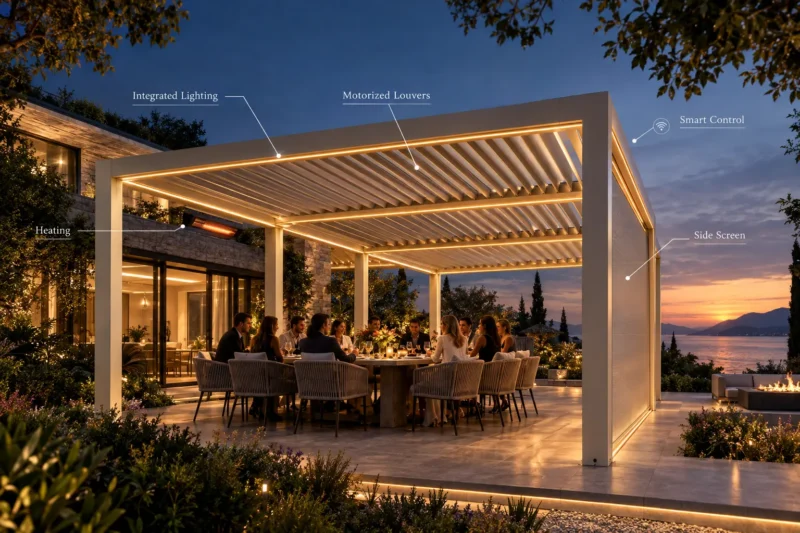
Modern pergolas with motorized louvers allow users to control the amount of sunlight entering the space. This flexibility helps the body maintain healthy circadian rhythms, supports vitamin D synthesis in safe doses, and creates an environment that feels comfortable at different times of day and in different seasons.
A Space for Everyday Wellness
A well-designed pergola transforms an ordinary patio into a versatile wellness zone. It can serve as:
- A morning coffee spot for mindful starts to the day
- A reading nook for mental escape
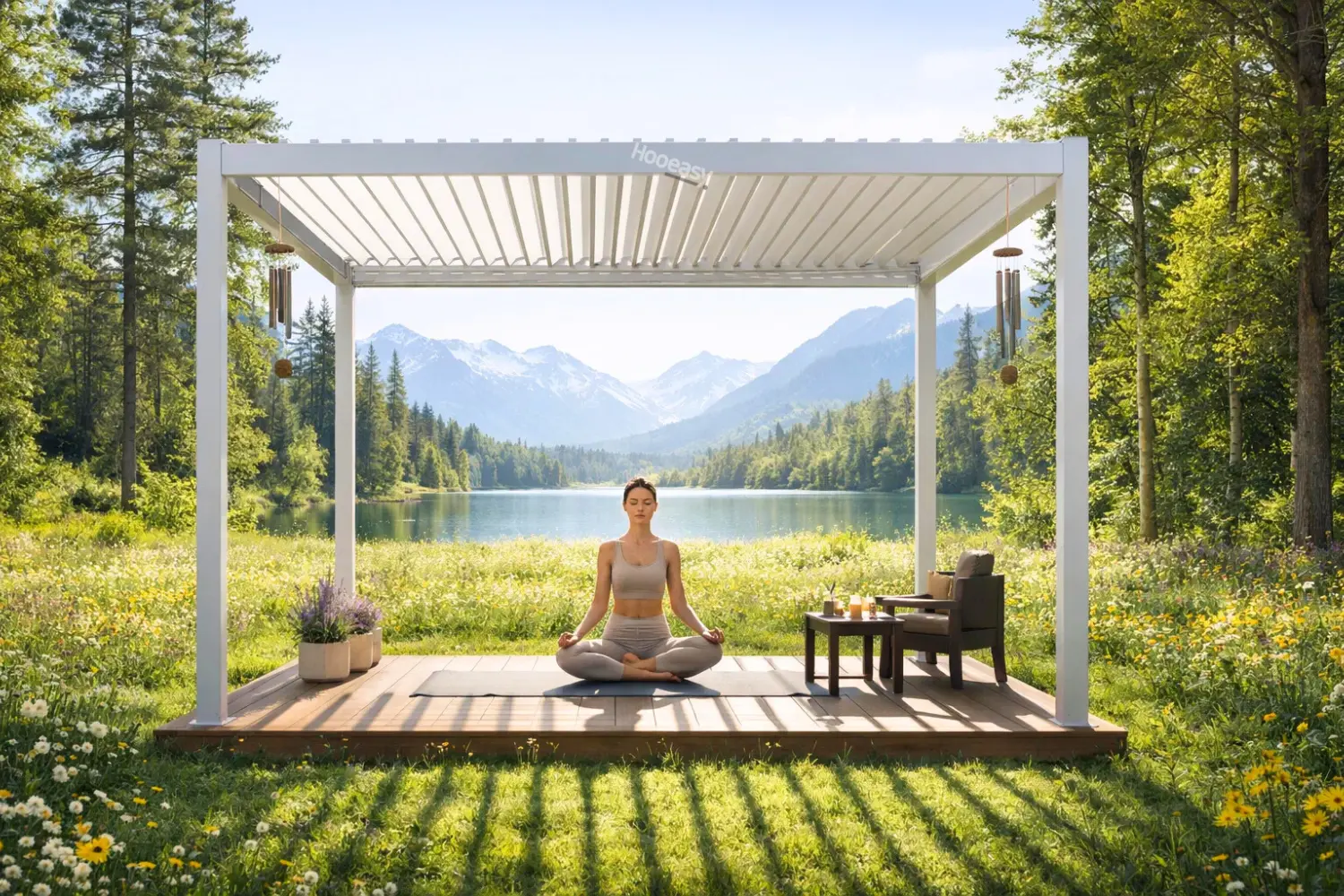
- A yoga or meditation platform for mindfulness practice
- An outdoor dining area for family meals
- A workspace for those who prefer fresh air over fluorescent lights
- A gathering place that encourages social connection
Encouraging Social Connection
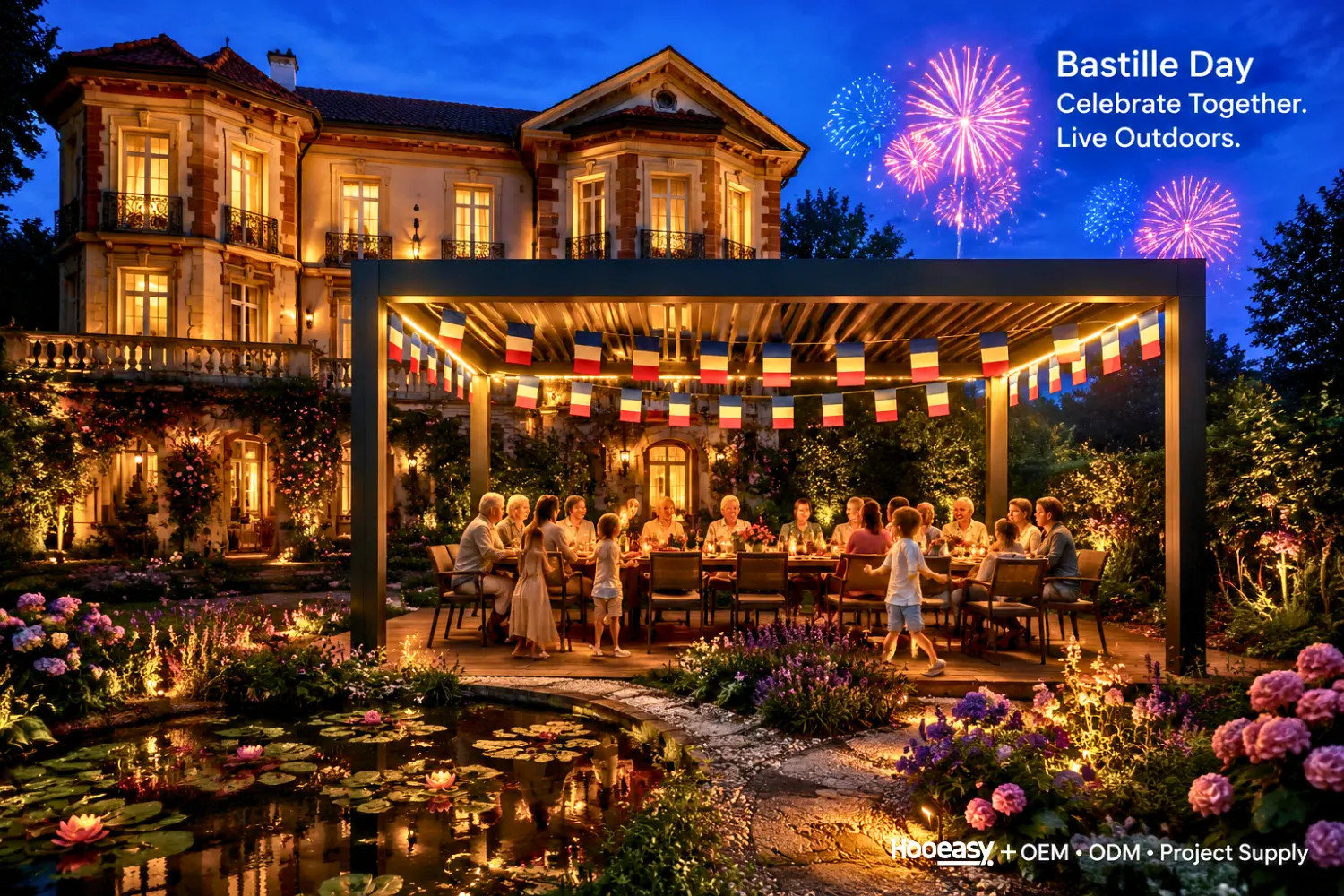
Perhaps most importantly, pergolas create spaces where people come together. Friends gather for meals. Families share stories.
Children play. These moments of social connection are fundamental to mental health—they reduce loneliness, build community, and create the kind of meaningful interactions that modern life often lacks.
Why Businesses Are Investing in Outdoor Wellness Spaces
For the commercial sector—hotels, restaurants, resorts, property developers, office parks, luxury apartments, and commercial buildings—the case for commercial outdoor space is increasingly financial as much as it is philosophical.
Well-being design is no longer a niche concept. It is a competitive advantage.
Hotels with well-designed outdoor wellness areas consistently receive higher
| Business Benefit | How Outdoor Wellness Spaces Deliver |
| Longer guest stays | Comfortable outdoor areas encourage patrons to linger |
| Higher spending | Guests who stay longer order more |
| Increased return visits | Memorable outdoor experiences build loyalty |
| Improved employee satisfaction | Outdoor break areas boost morale and productivity |
| Revenue-generating space | Outdoor dining, events, and rentals create new income streams |
ratings. Restaurants with patio seating outperform those without. Office buildings with green spaces report lower employee turnover. The ROI is measurable.
When a commercial property includes a pergola-shaded terrace, it signals to guests and tenants that their well-being matters. In a competitive market, that signal is increasingly what separates premium properties from the rest.
Designing Outdoor Spaces That Support Well-Being
Creating a healthy outdoor space requires more than placing a few chairs on a patch of grass. Thoughtful design considers how people actually use outdoor environments and what makes them feel comfortable, safe, and inspired.
Key Design Elements
| Element | Role in Well-Being |
| Comfortable shade | Enables all-day use, reduces UV exposure |
| Natural materials | Wood, stone, and plant life create a calming aesthetic |
| Abundant plants | Greenery improves air quality and provides visual restoration |
| Air circulation | Prevents stuffiness, maintains comfort |
| Flexible lighting | Supports evening use, creates atmosphere |
| Flexible spaces | Accommodates different activities and group sizes |
| Quiet corners | Provides retreat for solitude and reflection |
| Outdoor dining areas | Encourages shared meals and social connection |
| Water features | Sound of water is naturally calming |
| Smart lighting | Extends usability into evening hours |
Pergolas integrate naturally with all of these elements. They provide the structural backbone around which the rest of the outdoor space can be organized.
Why Aluminum Pergolas Fit Modern Wellness Design
Not all pergolas are created equal. For those seeking a structure that supports year-round outdoor wellness, aluminum pergolas offer distinct advantages over traditional wood.
Weather Resistant – Aluminum does not warp, rot, or corrode. It stands up to rain, snow, humidity, and intense sun without deteriorating.
Low Maintenance – Unlike wood, which requires regular sealing, staining, or painting, aluminum pergolas maintain their appearance with minimal upkeep.
Modern Appearance – Clean lines and contemporary finishes complement modern architecture rather than competing with it.
Motorized Louvers – Adjustable roof slats give users precise control over shade, light, and ventilation at the touch of a button.
Integrated Lighting – Built-in LED systems extend the usability of outdoor spaces into the evening.
Integrated Screens – Retractable screens provide protection from insects without blocking views or airflow.
Rain Protection – When closed, louvered roofs channel water away, keeping the space dry even in wet weather.
Year-Round Outdoor Use – With the right features, an aluminum pergola transforms outdoor spaces into four-season environments.
Rather than simply creating shade, modern pergolas help transform outdoor areas into functional spaces that encourage healthier, more enjoyable everyday living.
Why OEM & Project Buyers Should Care About Outdoor Well-Being
For brands, building material suppliers, real estate developers, hotel groups, and contractors, the rise of outdoor wellness represents both a challenge and an opportunity.
As well-being becomes a defining trend in architecture and design, the question is no longer “Should we include outdoor spaces?” but “How can our outdoor products create healthier environments?”
Offering pergolas that support outdoor wellness helps businesses:
- Differentiate their product portfolios in a crowded market
- Add tangible value to residential and commercial projects
- Meet growing customer expectations for health-conscious design
- Stay aligned with future design trends that prioritize human experience
Architects and developers are increasingly specifying products that contribute to occupant well-being.
Distributors who can supply pergolas designed for wellness—with features like motorized shade, integrated lighting, and weather protection—position themselves as partners in this growing movement rather than mere suppliers of commodity products.
Conclusion
Outdoor living is no longer just about extending usable space—it is about improving the way people live. Whether it’s a private backyard, a hotel terrace, a restaurant patio, or a commercial plaza, thoughtfully designed outdoor environments can support healthier routines, stronger social connections, and greater overall well-being.
As demand for wellness-focused outdoor spaces continues to grow, modern aluminum pergolas offer architects, developers, distributors, and brands an opportunity to deliver more than shelter—they create spaces where people truly enjoy spending time.
The research is clear. The market is responding. And the future of design is increasingly outdoor.
Create Outdoor Spaces That Inspire Better Living
At Hooeasy, we manufacture premium aluminum pergolas for brands, distributors, contractors, and commercial projects worldwide.
From OEM and ODM services to customized project solutions, we help our partners deliver outdoor spaces designed for comfort, durability, and well-being.
Explore our pergola solutions or contact our team to discuss your next project.