
From Passive Shade to Smart Outdoor Systems: Trends, Data & Future Predictions
Why a 10-Year Review Is Essential
In any industry, real trends are not defined by short-term spikes or viral products—they are driven by long-term structural changes. This is especially true in the outdoor shading sector, where shifts in climate awareness, architecture, and lifestyle have fundamentally redefined product value.
For B2B buyers, importers, distributors, and project contractors, reviewing the last decade of pergola trends and awning market trends is not just an academic exercise—it directly informs:
- What products to prioritize in the next 3–5 years
- How to optimize inventory and SKU structures
- Where to invest in supply chain and partnerships
The outdoor shading industry is no longer about “shade”—it is about energy, lifestyle, and intelligent space design.
This shift marks the transition from standalone products to integrated outdoor shading systems, a category that is becoming increasingly strategic in modern construction and renovation.
Understanding the Core: What Pergolas and Awnings Really Are
Before analyzing the market, we must first elevate our understanding of the products themselves.
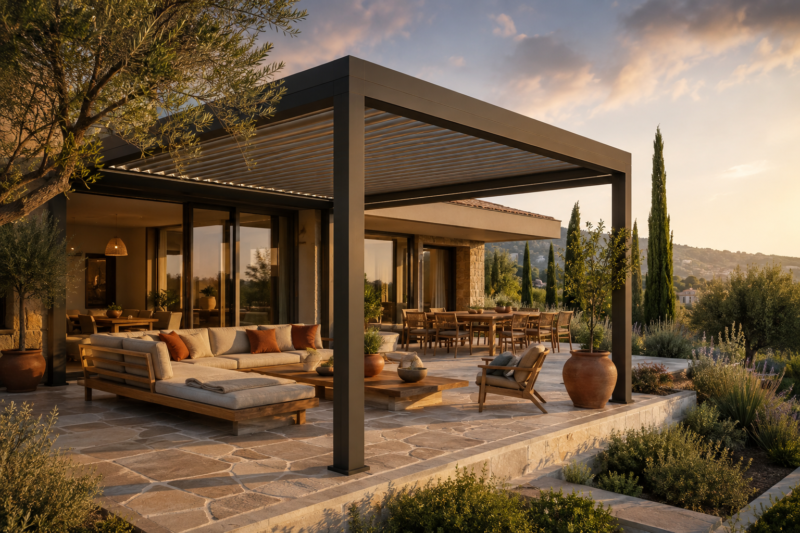
A pergola is best defined as space-defining architecture. It creates a semi-enclosed environment that transforms outdoor areas into functional living or commercial spaces. It is structural, permanent, and increasingly integrated into building design.
An awning, in contrast, is a functional shading layer. It enhances comfort by controlling sunlight exposure, reducing heat gain, and improving usability of existing spaces.
A simple industry insight captures this perfectly:Pergolas define space. Awnings enhance comfort.
This distinction explains why pergolas are often positioned as long-term infrastructure investments, while awnings remain flexible, cost-effective components within a broader outdoor shading solution strategy.
From Architecture to Systems: A Historical Perspective

The evolution of pergolas and awnings reflects broader changes in architecture, manufacturing, and technology.
The earliest stage, from ancient Rome through the Renaissance, focused on aesthetics and status. Pergolas were built using wood and natural vegetation, primarily in aristocratic gardens. Their role combined shading with visual appeal.
The 20th century introduced functionality. Retractable awnings emerged, using metal frames and textile covers. Their adoption was driven largely by commercial needs—shops, cafés, and storefronts required flexible shading to improve customer comfort.
Around 2010, the industry entered a productization phase. Standardized manufacturing enabled global scalability. OEM and ODM models flourished, allowing brands to source efficiently and expand into international markets. During this period, manufacturers like Hooeasy began building strong capabilities in large-scale production, design adaptation, and export compliance.
From 2015 to 2025, the industry has clearly shifted into systemization. Products are no longer standalone—they are integrated with sensors, automation, and building systems. Pergolas and awnings are now part of intelligent architectural ecosystems.
The pergola is no longer a structure-itis a system.
Key Transformations Over the Past 10 Years

One of the most important shifts in the last decade is the move from shading to energy management. Buildings today consume a significant portion of energy on cooling—often around 30%. External shading systems can reduce solar heat gain by 40–60%, making them an effective passive cooling solutions building strategy.
This leads to a critical conclusion:Shading is becoming a low-cost alternative to air conditioning.
At the same time, the rise of the smart pergola pergola vs avvning discussion reflects a broader technological shift. IoT-enabled systems now allow automatic adjustment based on wind, rain, and sunlight. Mobile apps provide real-time control, and integration with smart home ecosystems is becoming standard.
Another major transformation is the redefinition of outdoor spaces. Driven by the Airbnb economy, hospitality design trends, and post-pandemic lifestyle changes, outdoor areas are no longer secondary.
Outdoor spaces are no longer extensions—they are destinations.
Applications now include outdoor dining, remote work setups, wellness zones, and even fitness spaces. This has accelerated demand for high-quality, durable, and aesthetically integrated shading systems.

Modularization and customization have also become central Different regions impose different wind load standards, certifications, and design preferences. As a result, OEM/ODM demand has increased significantly. Buyers are no longer sourcing generic products—they are sourcing adaptable systems.
Manufacturers with certifications such as CE, GS, and BSCI, along with scalable production capabilities, are gaining a competitive edge.
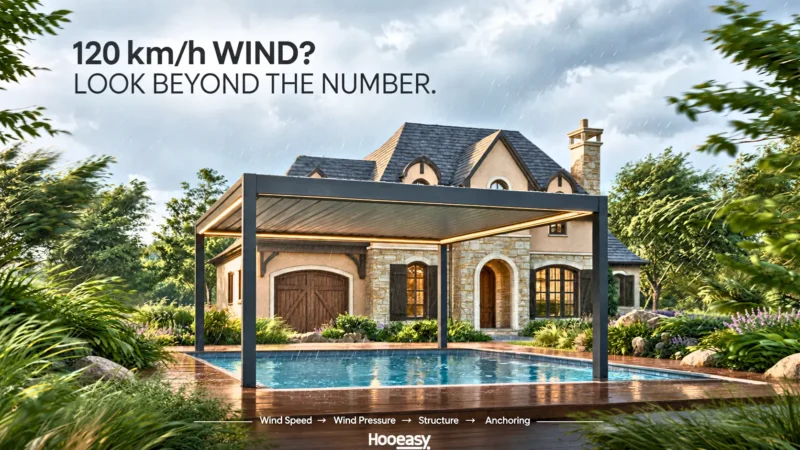
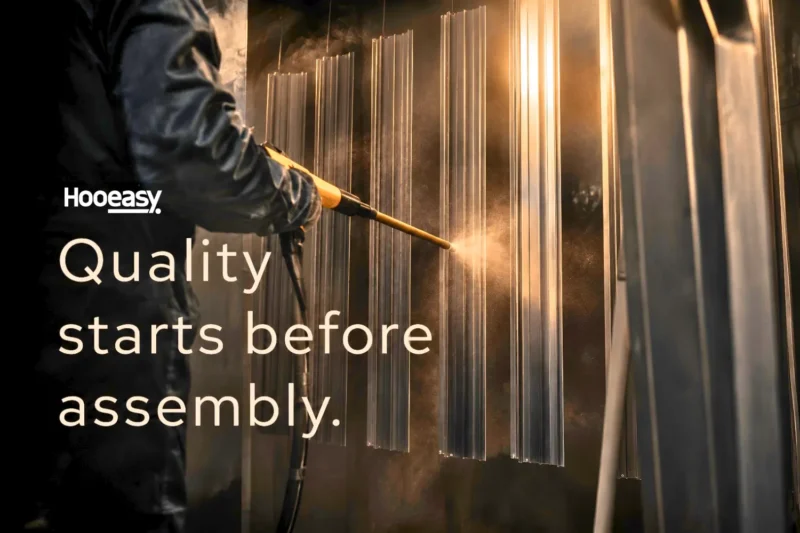
Material innovation is another defining factor. Aluminum structures combined with advanced fabrics now offer higher wind resistance (up to 118–133 km/h), improved UV protection, waterproofing, and corrosion resistance. These upgrades extend product lifespan and reduce maintenance costs.
Pergola vs Awning vs Alternatives

| Type | Structure | Function | Application | Lifecycle |
| Pergola | Strong | Space definition | High-end residential, commercial | Long |
| awning | Light | Sun shading | Shops, residential | Medium |
| Umbrella | None | Temporary shading | Restaurants, casual use | Short |
The ongoing debate around pergola vs awning is not about which is better—it is about which fits the intended use case. Pergolas dominate in permanent installations, while awnings remain essential for flexible shading needs.
For buyers exploring a pergola alternative, options like umbrellas or retractable systems exist, but they often lack durability and integration capabilities found in modern pergolas.
Replacement or Evolution?
The market is not seeing replacement—it is seeing convergence.
Traditional alternatives such as umbrellas, architectural shading glass, and smart curtains still exist. However, pergolas are increasingly absorbing their functions.
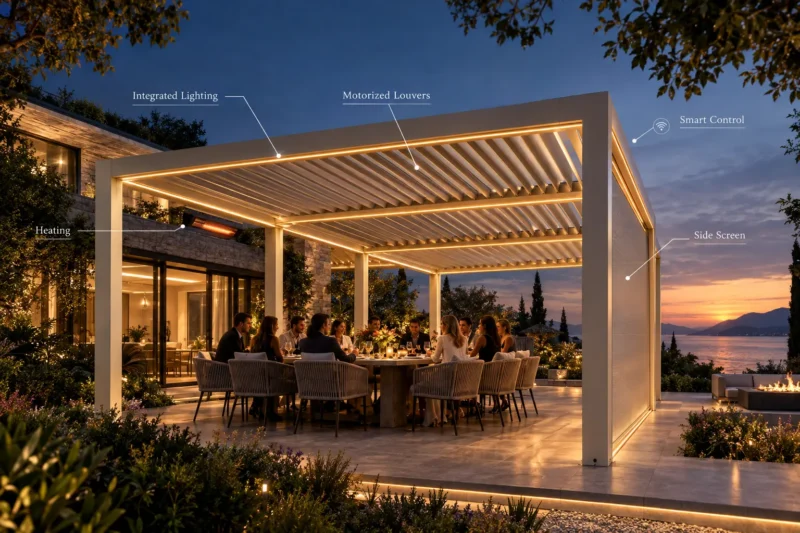
By integrating lighting systems, pergolas reduce the need for separate outdoor lighting. By adding sensors, they replicate certain smart home functionalities. With the inclusion of side screens, they begin to function as semi-enclosed structures.
This convergence defines the modern outdoor shading systems category.
The futur e of shading is not about blocking sunlight, but managing energy.
Looking Ahead: The Next Five Years

The next phase of development is already taking shape.
First, pergolas will evolve into fully functional semi-outdoor living systems. They will combine shading, lighting, climate control, and digital connectivity into a single platform.
Second, smart features will become standard rather than premium. Automation, sensors, and app control will no longer be differentiators—they will be baseline expectations.
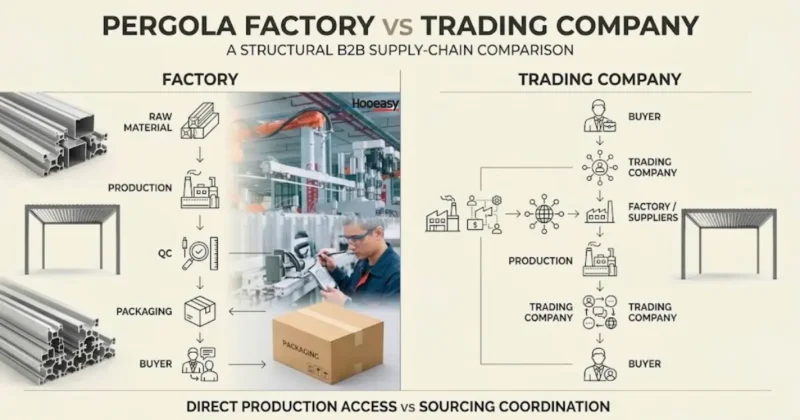
Third, B2B buyers will increasingly prioritize supply chain reliability over price alone. Certifications, production capacity, and customization capabilities will become critical decision factors.
Outdoor spaces are becoming the most valuable square meters in modern architecture.
A Quiet Transformation: The Role of Manufacturing
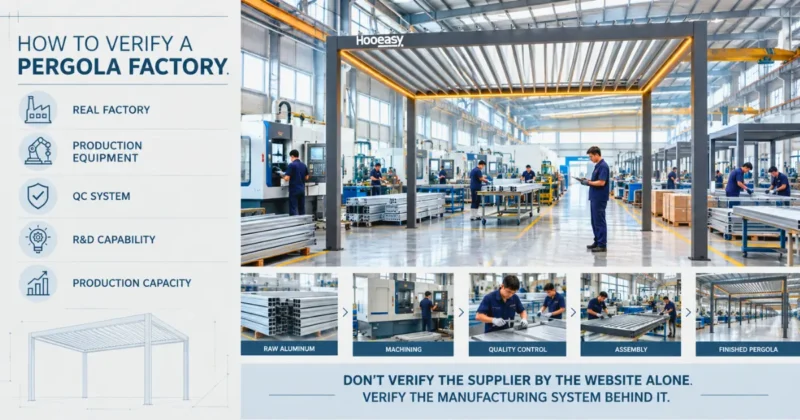
As a global manufacturer with over 152,000㎡ production capacity, Hooeasy has witnessed and participated in this transformation—from traditional awnings to intelligent outdoor systems.
Rather than simply producing products, the company has adapted to the industry’s shift toward system integration, certification compliance, and customization. With capabilities spanning design, manufacturing, and international standards, it reflects the broader evolution of the industry itself.
For those interested in exploring product capabilities and solutions, more information can be found here: https://www.hooeasy.com/.
Final Thoughts
Over the past decade, the pergola and awning industry has undergone a fundamental transformation. What was once a simple category focused on shading has become a complex, technology-driven sector tied to energy efficiency, architecture, and lifestyle design.
This is not just a story of awning market trends or pergola trends—it is a reflection of how built environments are evolving.
For B2B players, the takeaway is clear: success will depend not on reacting to short-term demand, but on aligning with long-term structural shifts.
And in this new landscape, the definition of value has changed—from products to systems, from shade to experience, and from function to integration.
To fully capitalize on these shifts, forward-thinking businesses must also rethink how they position and market their offerings. The conversation is no longer centered on price per unit, but on value per square meter. This means educating end customers about energy savings, lifestyle enhancement, and long-term durability.
Digital visualization tools, project-based selling, and solution bundling are becoming essential in driving conversion. In this context, the most competitive players will not simply sell products—they will deliver integrated outdoor shading solution packages tailored to specific climates, regulations, and user scenarios.
This strategic transition will define the winners of the next decade in the global pergola and awning industry.