
A Smarter Approach to Reducing Invasive and Toxic Weeds While Creating a Beautiful Outdoor Living Space
Many homeowners dream of transforming their backyards into beautiful outdoor retreats filled with healthy plants, comfortable seating areas, and a relaxing atmosphere. Whether it’s a place for family gatherings, outdoor dining, or simply enjoying nature, a well-designed backyard adds both value and enjoyment to a home.
However, maintaining a healthy outdoor environment comes with one persistent challenge: weeds.
Weeds are more than just an aesthetic nuisance. Many invasive weed species grow aggressively, spread rapidly, and compete with desirable plants for water, nutrients, and sunlight. Some varieties can even pose health risks to children, pets, and local wildlife due to their toxic properties.
While traditional weed control methods often rely heavily on chemical herbicides, more homeowners today are seeking environmentally friendly and sustainable alternatives. The goal is no longer just to eliminate weeds but to create a balanced landscape where unwanted plants struggle to thrive naturally.
Surprisingly, installing a pergola can play an important role in an effective long-term weed management strategy. Although a pergola is not designed to directly kill weeds, it helps create landscape conditions that naturally suppress weed growth while enhancing the beauty and functionality of outdoor spaces.
Understanding the Problem: Fast-Growing and Toxic Weeds
Before exploring how pergolas contribute to weed control, it is important to understand some of the most common weed species that invade residential landscapes.
Crabgrass
Crabgrass is one of the most common lawn weeds found in warm climates. It spreads quickly during the growing season and can rapidly dominate lawns, garden beds, and open soil areas. Because it germinates aggressively in sunny locations, it often outcompetes desirable turfgrass and ornamental plants.
Poison Hemlock
Poison hemlock is among the most toxic plants found in residential landscapes. Every part of the plant contains poisonous compounds that can be harmful or even fatal to humans, pets, and livestock if ingested. Its rapid growth and ability to spread make it a serious concern for homeowners.
Bindweed
Bindweed is notorious for its extensive root system and climbing growth habit. It can wrap around shrubs, flowers, and garden plants, restricting their development while making removal extremely difficult.
Nutsedge
Often mistaken for grass, nutsedge grows faster than most turfgrass varieties. It competes heavily for moisture and nutrients, creating uneven lawn appearance and weakening surrounding vegetation.
Japanese Knotweed
Japanese knotweed is considered one of the most invasive plant species worldwide. Its powerful root system can damage hardscapes, building foundations, retaining walls, and underground infrastructure. Once established, it can be very difficult to eradicate.
These invasive weeds share several common characteristics. They thrive in environments that provide:
- Abundant sunlight
- Disturbed soil
- Poor landscape organization
- Open spaces without ground cover
- Limited competition from desirable plants
This is where thoughtful landscape design—and pergolas in particular—can make a meaningful difference.
How Pergolas Help Reduce Weed Growth
A pergola may not be the first solution that comes to mind when discussing weed control. However, when integrated into a comprehensive landscape design, it can significantly reduce conditions that encourage weed growth.
1. Reducing Excessive Sunlight
Many invasive weeds depend on direct sunlight to germinate, grow, and spread.
A pergola creates partial shade over sections of the backyard, reducing the amount of sunlight that reaches the ground beneath it. This can make the environment less favorable for many sun-loving weed species.
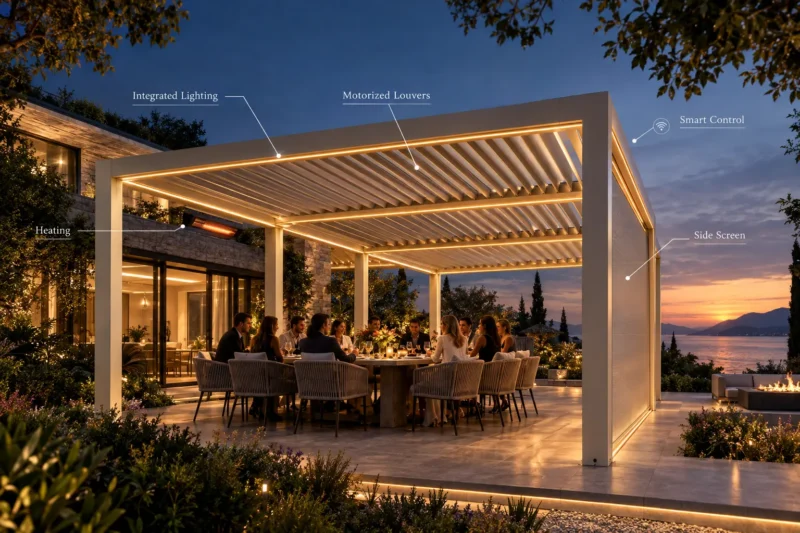
Modern aluminum pergolas equipped with adjustable louvers offer even greater control. Homeowners can adjust sunlight exposure throughout the day, creating a more balanced and controlled outdoor environment that supports desirable plants while discouraging aggressive weeds.
When combined with landscaping materials such as gravel, pavers, decking, or mulch, the reduction in sunlight can significantly limit weed establishment.

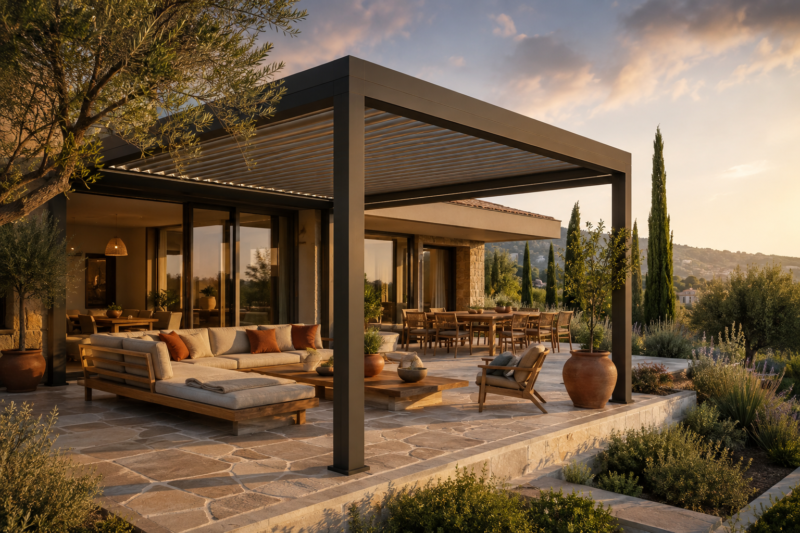
Modern aluminum pergola covering a backyard patio with decorative stone flooring and minimal weed growth.
2. Supporting Ground Cover Solutions
Areas beneath pergolas are commonly finished using materials that naturally suppress weed growth.
Popular options include:
- Stone pavers
- Composite decking
- Decorative gravel
- Artificial turf
- Mulch beds
These materials create physical barriers that prevent weed seeds from reaching exposed soil and receiving adequate sunlight.
Unlike traditional garden beds with bare soil, pergola-covered areas often feature intentionally designed surfaces that dramatically reduce opportunities for weed germination.
By minimizing exposed soil, homeowners can reduce maintenance requirements while improving the overall appearance of the landscape.

Backyard pergola surrounded by mulch-covered flower beds that help suppress weed growth and retain soil moisture.
3. Encouraging Low-Maintenance Landscape Design
Pergolas naturally create designated outdoor living zones.
When homeowners invest in a pergola, they often redesign the surrounding space to maximize usability and visual appeal. As a result, unmanaged lawn areas and neglected corners are frequently replaced with structured landscaping elements such as:
- Raised planters
- Decorative pathways
- Hardscape features
- Retaining walls
- Weed barrier systems
This organized approach reduces the amount of exposed soil where invasive weeds can establish themselves.
A thoughtfully designed backyard creates fewer opportunities for unwanted plants to take hold while increasing the functionality of the outdoor space.
4. Improving Plant Selection and Ecosystem Balance
One of the most overlooked benefits of pergolas is their ability to support healthier plant communities.
Pergolas provide ideal growing conditions for many climbing plants and ornamental species that contribute positively to backyard biodiversity.
Examples include:
- Lavender
- Rosemary
- Jasmine
- Wisteria
- Clematis
These desirable plants occupy valuable growing space that might otherwise be taken over by invasive weeds.
In addition, many of these plants attract beneficial pollinators such as bees and butterflies, supporting a healthier backyard ecosystem.
A carefully planned pergola landscape creates a natural balance where beneficial plants thrive and weeds struggle to gain a foothold.

Building a Weed-Resistant Backyard with a Pergola
For homeowners seeking long-term weed prevention, experts recommend combining a pergola with several complementary landscaping strategies.
Install Weed Barrier Fabric
Professional-grade landscape fabric creates an additional layer of protection beneath decorative gravel, stone, or mulch.
By blocking sunlight and limiting soil access, weed barrier fabric helps prevent many weed species from emerging.
Use Mulch Around Planting Areas
Organic mulch serves multiple purposes within a landscape.
Benefits include:
- Weed suppression
- Moisture retention
- Temperature regulation
- Soil improvement
A thick mulch layer makes it more difficult for weed seeds to germinate while promoting healthier plant growth.
Add Hardscape Elements
Hardscape features reduce exposed soil surfaces where weeds commonly develop.
Examples include:
- Patios
- Walkways
Stone pathways
- Retaining walls
- Decking systems
Combining these elements with a pergola creates an attractive outdoor environment that requires significantly less maintenance.
Choose Native Plants
Native plant species are naturally adapted to local growing conditions.
Compared with exotic species, they often:
- Require less water
- Need less fertilizer
- Resist pests more effectively
- Compete better against invasive weeds
A native-focused landscape supports biodiversity while reducing long-term maintenance costs.
Create Functional Outdoor Living Areas
Unused sections of a backyard often become breeding grounds for invasive weeds.
Pergolas transform underutilized spaces into practical outdoor living areas designed for:
- Dining
- Entertaining
- Relaxation
- Outdoor workspaces
- Family gatherings
As more backyard space becomes functional, fewer unmanaged zones remain available for weed infestation.
Why Aluminum Pergolas Are Ideal for Modern Landscapes
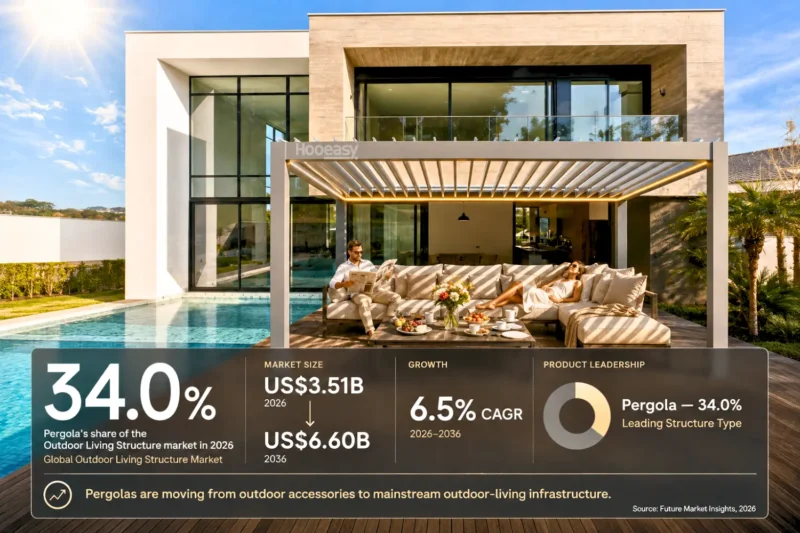
While pergolas are available in a variety of materials, aluminum pergolas have become increasingly popular among homeowners, landscape designers, and contractors.
Compared with traditional wooden pergolas, aluminum models offer several significant advantages.
Low Maintenance
Unlike wood, aluminum does not require regular staining, sealing, or repainting. This reduces ongoing maintenance requirements and ownership costs.
Corrosion Resistance
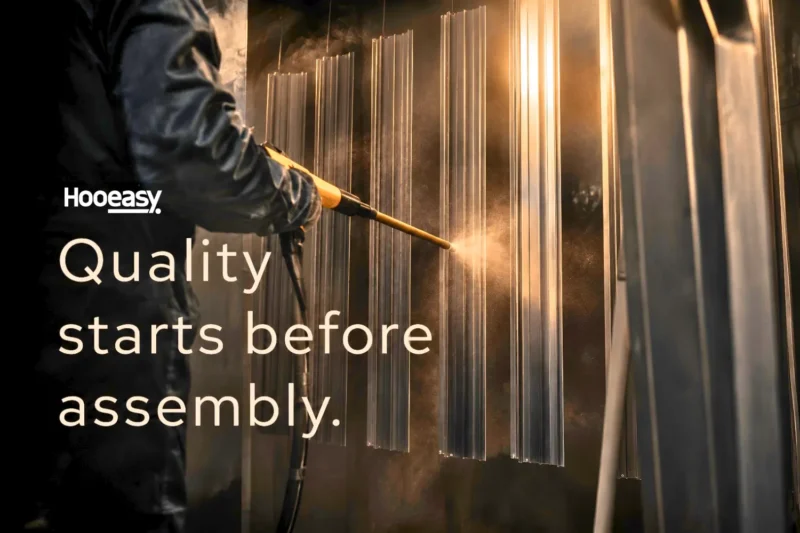
Premium powder-coated aluminum resists rust, corrosion, and weather-related deterioration, making it suitable for a wide range of climates.
Long Service Life
Aluminum pergolas are engineered for durability and can maintain their structural integrity and appearance for many years.
Modern Architectural Appeal
Clean lines and contemporary designs make aluminum pergolas an excellent fit for modern residential landscapes.
Adjustable Louver Systems
Motorized or manually adjustable louvers allow homeowners to control sunlight, airflow, and shade throughout the day.
This flexibility helps create comfortable outdoor environments while supporting effective landscape management.
Smart Technology Integration
Many modern pergola systems can integrate with:
- LED lighting
- Smart controls
- Rain sensors
- Automated shading systems
These features enhance usability and create premium outdoor living experiences.
The Bigger Picture: Protecting Your Backyard Ecosystem
Weed control is about more than simply removing unwanted plants.
A truly sustainable landscape focuses on creating conditions where healthy plants flourish and invasive species struggle to survive.
Pergolas contribute to this goal by:
- Reducing excessive sunlight exposure
- Supporting weed-resistant ground cover materials
- Encouraging organized landscape design
- Promoting biodiversity
- Reducing reliance on chemical herbicides
- Enhancing outdoor functionality
The result is a backyard ecosystem that is healthier, more attractive, and easier to maintain.

Final Thoughts
Weed control is not simply about removing unwanted plants—it is about designing an outdoor environment where invasive species have fewer opportunities to thrive.
By combining thoughtful landscape planning, hardscape materials, ground-cover solutions, and a high-quality pergola, homeowners can significantly reduce weed pressure while improving the appearance and functionality of their outdoor spaces.
Modern aluminum pergolas offer a practical solution that supports both aesthetic and environmental goals. They help create comfortable outdoor living areas, encourage healthier plant selection, and contribute to a more balanced backyard ecosystem.
At Hooeasy, we design and manufacture premium aluminum pergolas that transform outdoor spaces into beautiful, functional, and low-maintenance living environments. Whether you are a distributor, contractor, landscape designer, or outdoor living brand, our customizable pergola solutions are designed to meet the growing demand for modern backyard living.
Ready to explore your next pergola project?
Contact Hooeasy today to learn more about our OEM and ODM aluminum pergola solutions and discover how we can help you create smarter, more sustainable outdoor spaces.